

AI in Japan Recruiting: Why You Can't Afford to Wait
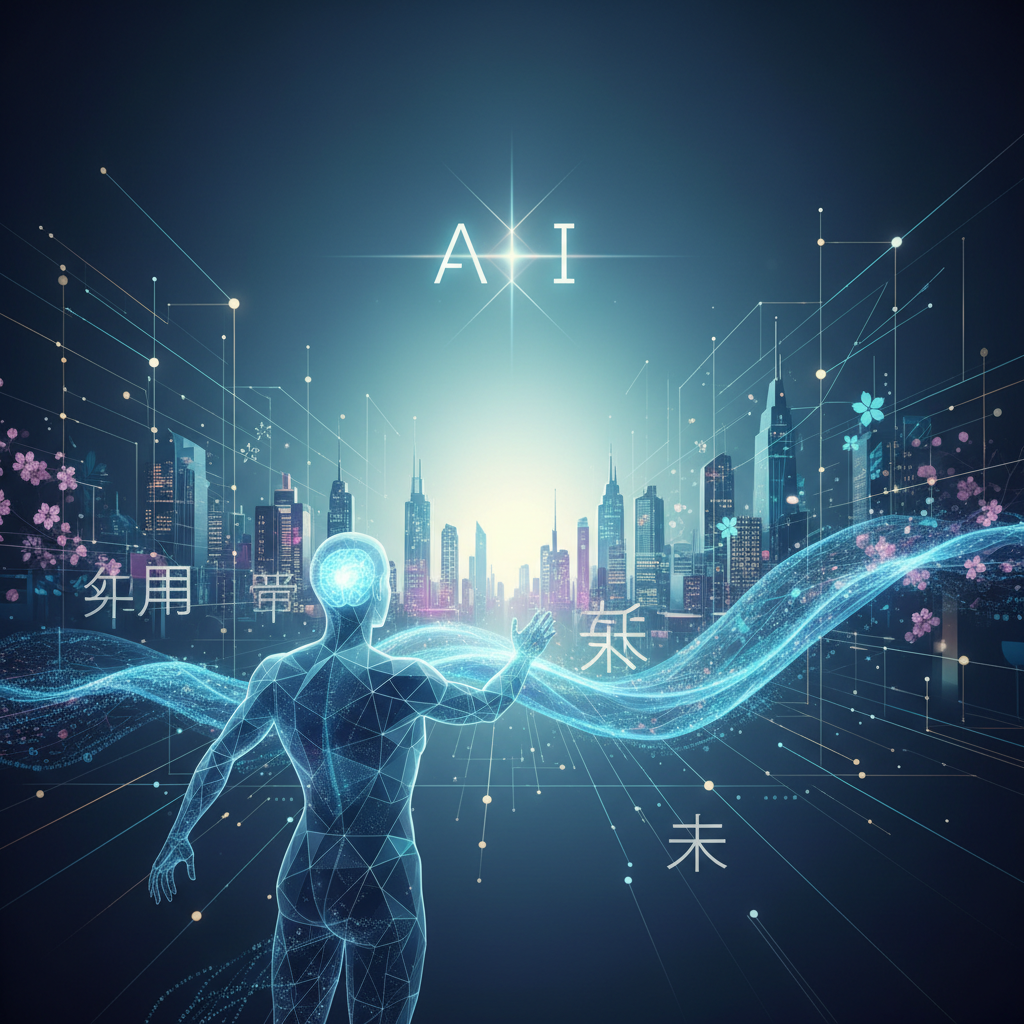
Don’t Be a Blockbuster: Why Japan’s Recruiting Industry Can’t Afford to Wait on AI
In the early 2000s, Blockbuster Video was the undisputed king of home entertainment. When a small startup called Netflix offered to be acquired for $50 million, Blockbuster’s leadership famously laughed them out of the room. They believed their physical storefronts and "late fee" revenue model were untouchable. We all know how that story ended.
Today, the recruitment industry—particularly in a unique market like Japan—stands at a similar precipice. The rise of Generative AI is not just a new "tool" in the recruiter's belt; it is a fundamental shift in how talent is identified, engaged, and hired.
At JINZ.AI, we believe the message is clear: You don’t have to be an AI expert overnight, but you cannot afford to wait. Here is why the "wait and see" approach is the most dangerous strategy a talent leader can take in 2024.
The Efficiency Gap Is Widening
In recruiting, speed has always been a competitive advantage. However, AI has turned "speed" from a linear improvement into an exponential one.
While a traditional recruiter might spend several hours a week manually screening resumes or drafting personalized outreach emails, AI-enabled recruiters are doing this in seconds.
- Drafting Job Descriptions: AI can generate local-context-aware JDs that are optimized for SEO and inclusivity.
- Candidate Communication: Chatbots and automated sequence builders handle the "top of funnel" nurturing, ensuring no candidate falls into a black hole.
- Sourcing: AI can scan vast datasets to find "passive" talent that traditional keyword searches miss.
If your competitors are using AI to reduce their time-to-hire by 30%, they aren't just working faster—they are capturing the best talent before you even finish your first round of manual screening.
The Talent Shortage Paradox in Japan
Japan faces a unique demographic challenge: a shrinking workforce and a fierce "war for talent." In a market where there are often two or three job openings for every single applicant, the old methods of "post and pray" are obsolete.
AI allows recruiters in Japan to shift from reactive hiring to proactive talent intelligence. By using predictive analytics, firms can identify which candidates are likely to be looking for a move before they even update their LinkedIn profiles. For HR departments across Tokyo and beyond, AI isn't replacing the human element; it’s freeing up time so recruiters can actually talk to people rather than managing spreadsheets.
Overcoming the "Fear of Automation"
The most common reason for hesitation is the fear that AI will depersonalize recruiting. At JINZ.AI, we argue the opposite.
When Blockbuster failed, it wasn't just because they ignored streaming; it was because they ignored the customer experience (the frustration of late fees and limited stock). In recruiting, the "customer" is the candidate.
AI handles the administrative drudgery—scheduling, basic screening, data entry—which allows recruiters to focus on the high-value human activities:
- In-depth behavioral interviewing.
- Cultural fit assessment.
- Closing candidates and negotiating offers.
- Building long-term relationships.
AI is the engine, but the recruiter is still the driver.
Key Takeaways for HR Leaders
- Start Small, But Start Now: You don't need a total infrastructure overhaul. Begin with one AI use case—such as interview scheduling or initial resume ranking—and measure the time saved.
- Focus on "Augmentation," Not "Replacement": Frame AI to your team as a "Co-pilot." It is there to remove the tasks they likely dislike anyway, allowing them to focus on the human-centric parts of the job.
- Data Quality is King: AI is only as good as the data it processes. Ensure your ATS (Applicant Tracking System) is clean and updated so that AI tools can provide accurate insights.
- Prioritize Ethics and Bias Training: As you adopt AI, ensure your team understands how to monitor for algorithmic bias to maintain a fair and diverse hiring process.
Conclusion
The "Blockbuster moment" for recruitment is happening right now. The technology is no longer a future concept; it is a current reality. Companies that embrace AI will find themselves with a more engaged workforce, a faster hiring pipeline, and a significant edge in the hunt for top talent.
The evolution of work in Japan is moving at lightning speed. Don't be the one holding a late-fee slip while the rest of the world has moved to the cloud.
Want to learn how to integrate AI into your hiring workflow? Contact JINZ.AI today to explore the future of talent technology.
You might also like
Legacy Management Group: Innovating Japan’s Inheritance Sector
In the landscape of Japanese professional services, few domains are as emotionally charged and technically complex as inheritance and asset taxation. As Japan navigates an aging population and a massi
LightBridge: Bridging Japan’s Silicon Photonics R&D Gap
The global photonics landscape is currently undergoing a "supercycle." Driven by the insatiable data demands of AI and the rapid adoption of LiDAR in autonomous systems, the industry is shifting from
From Builder to Transformer: How SaR is Redefining the AI Career Path in Japan
In an era where "AI implementation" often becomes a buzzword for mere automation, a quiet revolution is happening in Tokyo’s data sector. SaR (Solve and Reclaim) , a firm specializing in data and A